

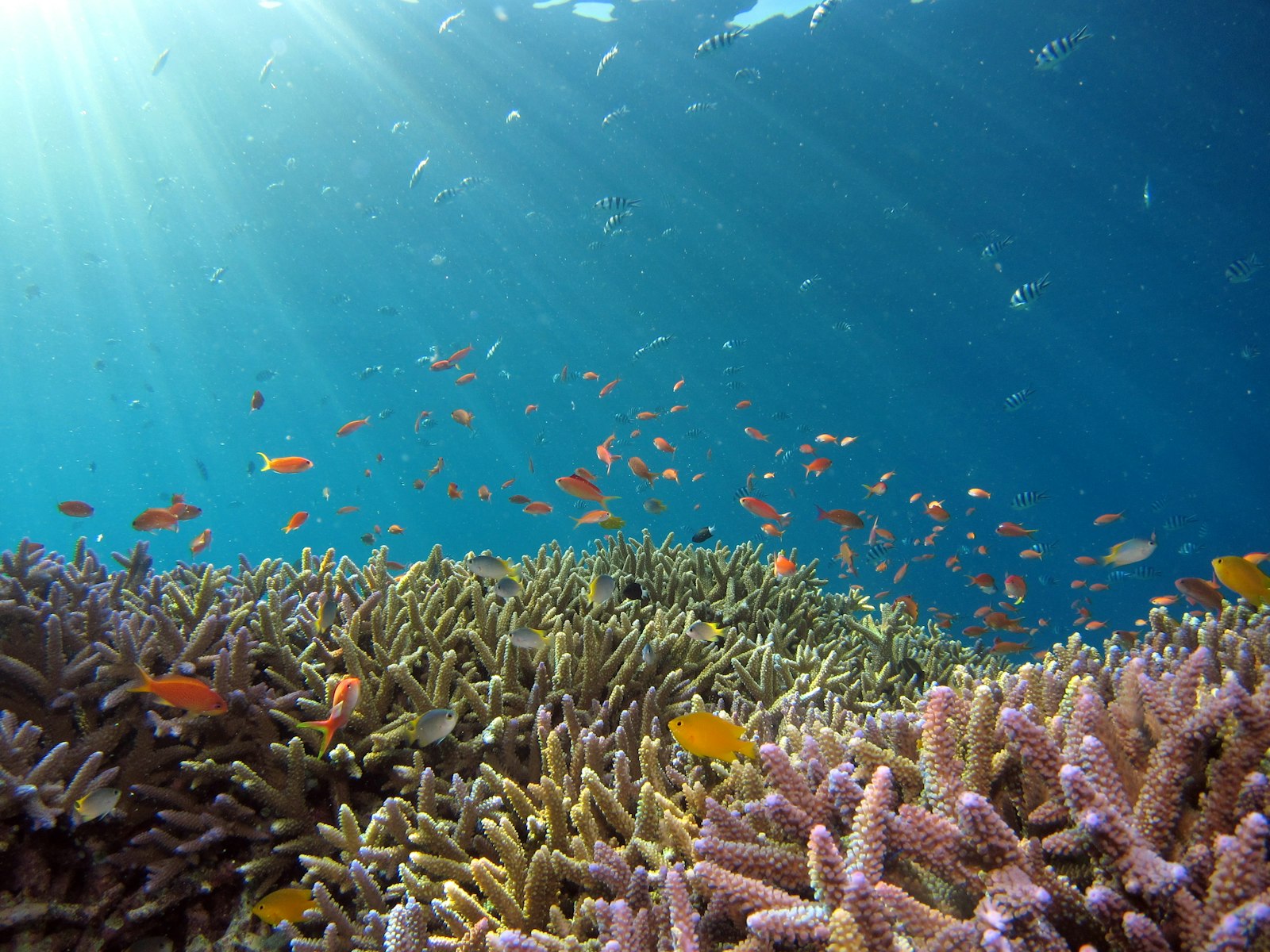
The Red Sea's reputation as a world-class diving destination means a meaningful share of visitors to Egypt's coast are there specifically to dive — and a surprising number of them are relying on standard travel insurance that quietly excludes the activity they came for.
Why standard travel insurance often doesn't cover diving
Many basic travel insurance policies classify scuba diving as a "hazardous activity" and exclude it by default, sometimes with an exception for shallow, entry-level dives (commonly up to around 18–30 metres) and sometimes excluding diving entirely regardless of depth. The exact line varies enormously between insurers, which is exactly why it needs checking individually rather than assumed.
What dedicated diving insurance typically adds
Specialist diving insurance — sometimes bought as a standalone annual policy through organizations built around diver safety — is generally built around the specific risks diving carries that standard travel policies don't anticipate well: treatment for decompression sickness, which often requires a hyperbaric chamber and can be far more expensive than routine medical treatment, emergency evacuation to the nearest chamber facility, and cover regardless of depth or certification level, depending on the policy.
Questions worth asking before you buy
Does the policy cover the specific depth and type of diving you're planning (recreational versus technical, wreck diving, depths beyond standard recreational limits)? Does it cover hyperbaric chamber treatment specifically, and is a chamber facility realistically reachable from where you'll be diving? Is dive equipment covered separately from general baggage, and at what value? These are the practical questions that separate a policy that happens to mention diving from one actually built for it.
Where hyperbaric treatment is available in Egypt
Egypt's main Red Sea dive hubs — Hurghada, Sharm El Sheikh, and Dahab — have hyperbaric chamber facilities, which is one of the reasons these areas developed into major dive destinations in the first place. Reputable dive centres will know the nearest chamber and have an emergency plan; it's a reasonable question to ask a dive centre directly before booking with them, alongside checking their safety certifications generally.
Practical tips
- Check your policy's depth limit and activity classification specifically for diving, not just that "water sports" are mentioned somewhere in the terms.
- If you dive regularly, an annual diving-specific policy is often better value than repeatedly adding diving cover to single-trip travel insurance.
- Only dive with centres affiliated with PADI or an equivalent recognized organization, and confirm they have a clear emergency and evacuation plan.
- Keep your certification card and logbook accessible — some insurers and dive centres ask to see proof of your certified depth level.
None of this is insurance advice — it's a general orientation to what to check before buying cover for a diving trip. If you're already in Egypt and dealing with a dive-related medical issue, Egypt X Ltd's free travel health assistance service can help you navigate local care and communicate with your insurer. Egypt X Ltd is not an insurance company, does not sell diving insurance, and earns no commission from any policy.
Ready to dive the Red Sea yourself?
Book PADI-certified dive trips, courses and snorkelling excursions in Hurghada and Marsa Alam directly with our sister brand, Egypt X Diving.
Explore trips on egyptxdiving.com →