
Hurghada is one of the easier places in Egypt for families who want children to see the Red Sea up close. The water is warm for much of the year, many reefs are shallow and sheltered, and plenty of operators are used to working with families. That said, not every activity suits every age, and a good experience depends far more on preparation and patience than on how adventurous you are. This guide covers what is usually possible, and the questions worth asking before you commit.
Start with snorkelling
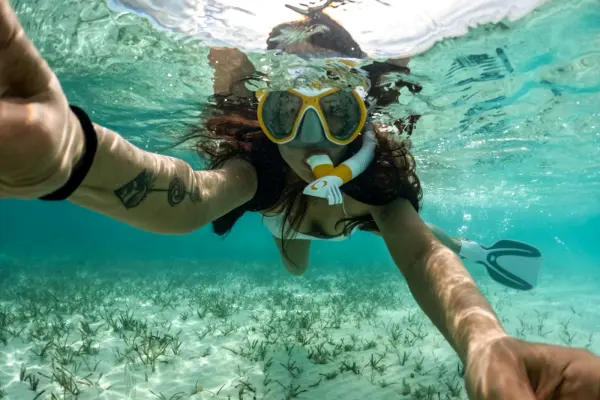
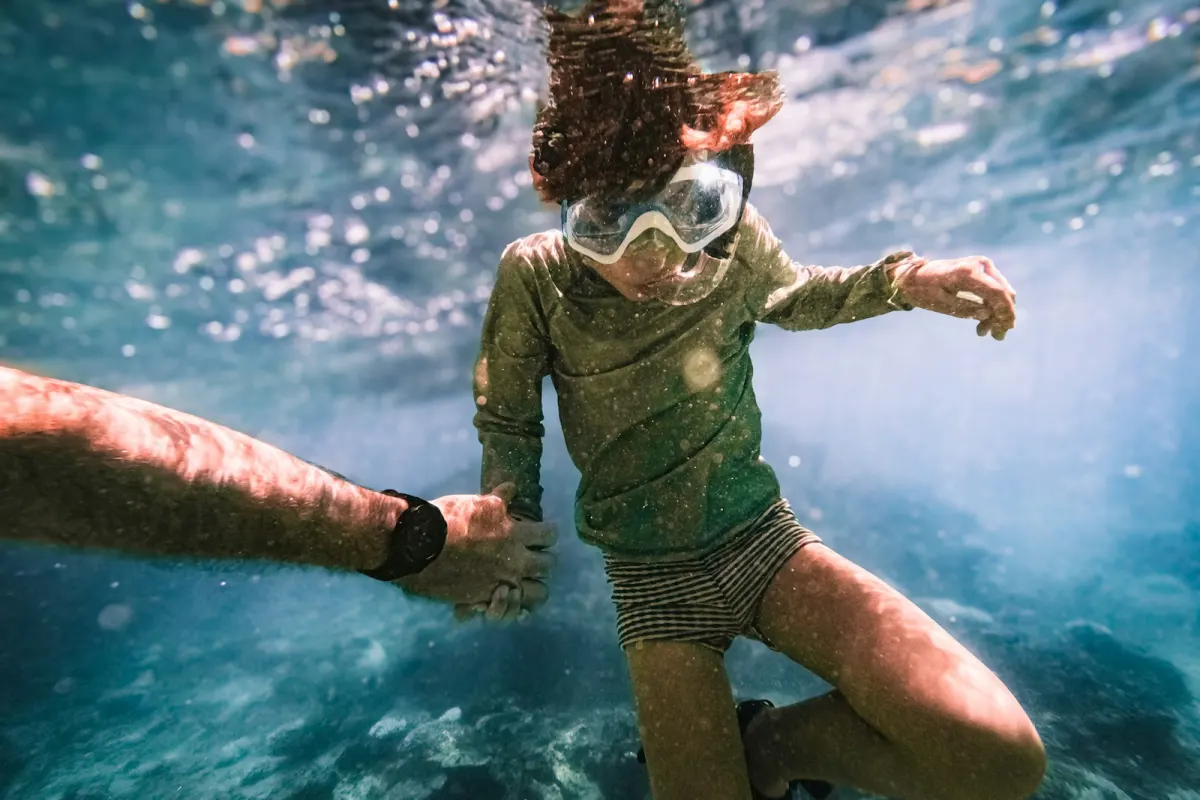
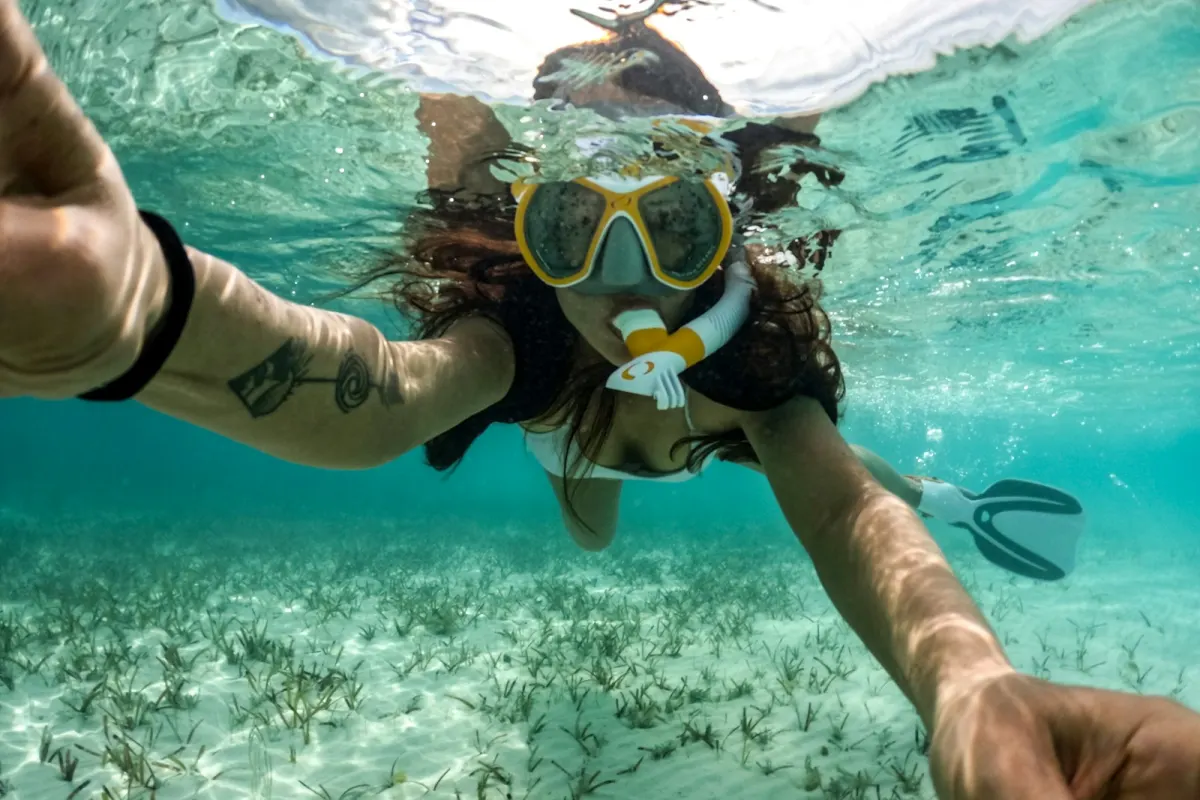
For most young children, snorkelling is the natural first step. It needs no certification, you stay at the surface, and a parent can stay within arm's reach the whole time. Many children are happy simply floating and watching the fish below. Before booking a boat trip, check that your child is comfortable in water without touching the bottom, and let them practise breathing through the snorkel in a pool first. A mask that fits properly matters more than any other piece of kit, so try several and let the child choose.
Our snorkelling guide for non-divers explains gear, currents and sun protection in more detail.
Floatation and supervision
Even confident swimmers tire quickly in open water, especially with a mask on. Ask whether the operator provides child-sized floatation vests, and consider using one for younger children regardless of swimming ability. Look for a crew member watching from the boat and a clear head count each time guests enter and leave the water. A reasonable operator will happily explain how supervision works, and you can judge a lot from how they answer.
Bubblemaker and Discover Scuba for younger children
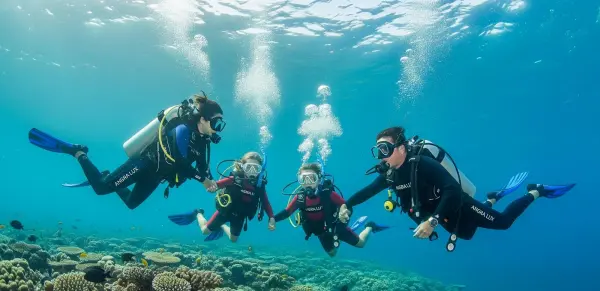
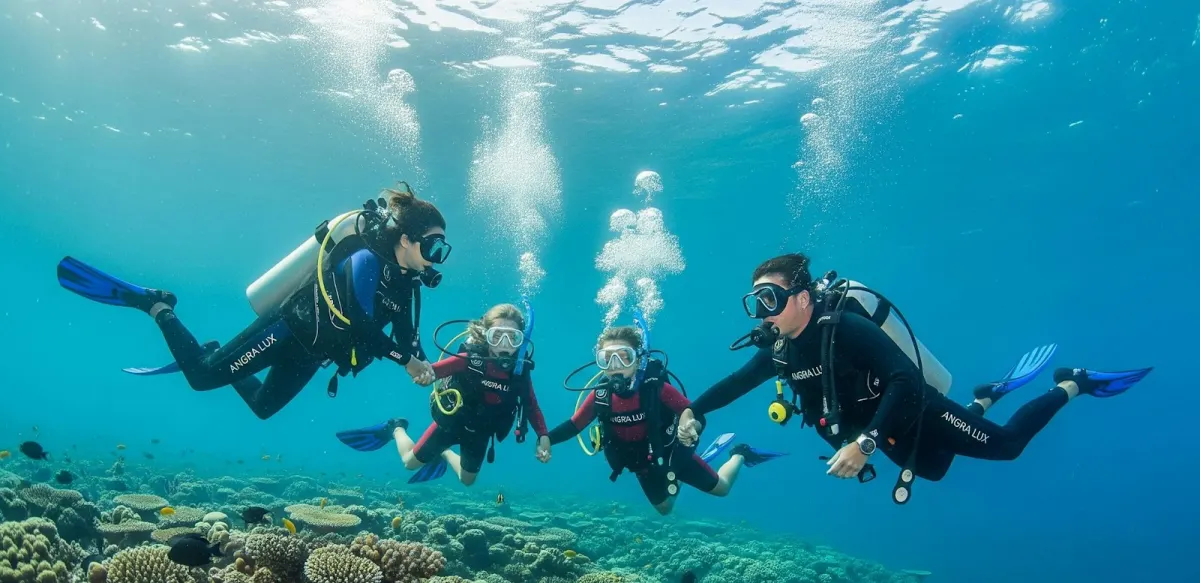
Training agencies offer short introductory experiences for children, often called Bubblemaker or similar. These are typically for children from around eight years old, take place in a pool or very shallow, calm water, and keep the child at a very limited depth with an instructor. Some centres offer a Discover Scuba experience for slightly older children, often from around ten. Exact minimum ages, depth limits and formats depend on the training agency and the individual centre, so ask what they apply instead of assuming. The aim is a fun, low-pressure taste of breathing underwater, not a full dive.
Junior Open Water for ages 10 to 14
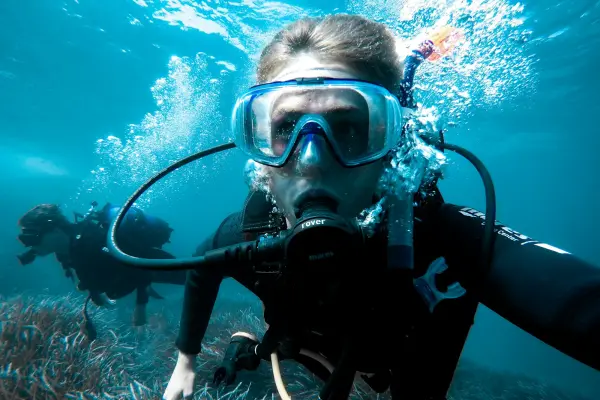
Children who want to learn properly can usually start a junior certification course from around ten years old. Junior divers are typically certified with depth limits and with conditions about diving alongside an adult or professional, which relax as they get older and gain experience. These limits vary by agency, so check the current rules for the course your centre teaches. Our Open Water course guide describes the general structure, and the certification article explains when you do and do not need a card.
Medical and ear considerations
Every diving course asks participants, including children, to complete a medical questionnaire, and a parent or guardian signs for a minor. Some answers may mean a doctor should confirm that diving is suitable before the child enters the water. Asthma, recent ear or sinus problems, and heart conditions are common examples. Children can find it harder to equalise the pressure in their ears, which is one reason good instructors go slowly and never push a child to descend further than is comfortable. If your child struggles to clear their ears, it is a sign to stay shallower or try again another day, not to persevere.
For general health preparation, see our travel health information. Egypt X Ltd is not an insurance company and not a healthcare provider; this is general information, not medical or insurance advice.
What a child-friendly centre looks like
A few signs are worth looking for:
- Instructors who are experienced with children and talk to them directly, not only to the parents.
- Small groups, with a clear instructor-to-child ratio that they can state without hesitation.
- Well-maintained, properly sized child equipment, including wetsuits that fit.
- A willingness to cancel or shorten a session if the child is anxious, without pressure.
- Shade and drinking water on the boat or at the pool.
It is also worth asking whether a parent can watch or join in. Many children relax more when a familiar face is nearby.
Sun, heat and tiredness
Children burn quickly and tire faster than adults. Use a rash vest or long-sleeved swim top, hats on deck, and a mineral reef-safe sunscreen, which helps protect the reef too; see our reef etiquette and sunscreen guide. Keep trips short for the first outing, bring plenty of water and snacks, and have a quiet plan for the afternoon. A tired child at the end of a long boat day is the most common cause of a bad memory, so build in rest.
Where to go with children
Sheltered house reefs and calm boat stops are generally the gentlest starting points. Day trips to the Giftun Islands are popular with families because the boats are comfortable and there are beach stops between swims; our Giftun Island guide explains what a typical day involves. If your child gets seasick, a larger boat and a calmer time of year help, and it is reasonable to ask the crew for advice in advance.
Frequently asked questions
Can a six-year-old snorkel?
Many can with a floatation vest, a well-fitting mask and a parent holding on, but it depends on the child. Start in a pool or very shallow, calm water.
Is diving safe for children?
Diving always carries some risk. Programmes designed for children use strict limits and close supervision to manage it, and a good instructor will stop if anything seems wrong. This is general information, not medical advice.
What if my child is nervous?
Take it slowly, let them watch first, and never force it. Many children are ready on a second attempt.
Planning a family trip
Be honest with the operator about your child's age, swimming ability and any medical points, and let them tell you what is realistic. A short, well-run first experience beats an ambitious one that ends in tears. Egypt X Diving (egyptxdiving.com) runs diving and snorkelling trips in Hurghada, and you can ask about family options through our contact page. For wider trip planning, our Hurghada travel guide is a good place to start.
Frequently asked questions
What age can a child start diving in Hurghada?
Short introductory experiences such as Bubblemaker are typically offered from around eight years old, in a pool or very shallow, calm water. Junior Open Water certification usually starts from around ten. Exact minimum ages and depth limits depend on the training agency and dive centre, so ask the centre what it applies before you book.
Can young children go snorkelling in Hurghada?
Many can, with a well-fitting mask, a snorkel they have practised with, and a floatation vest. A parent should stay within arm's reach. Start in a pool or calm, shallow water to build confidence. Not every child is ready at the same age, so let them set the pace and never force it.
Is scuba diving safe for kids?
Diving always carries some risk. Children's programmes use strict depth limits, small groups and close instructor supervision to manage it, and a good instructor will stop if a child seems anxious or uncomfortable. This is general information, not medical advice. If you have concerns about your child's health, speak to a doctor first.
Does my child need a medical check to dive?
All participants complete a medical questionnaire, and a parent or guardian signs for a minor. If any answer raises a concern, such as asthma, ear or sinus problems or a heart condition, a doctor may need to confirm diving is suitable. Requirements vary by agency, so ask your dive centre for the current form.
What should I look for in a family-friendly dive centre?
Look for instructors experienced with children, small groups, a clearly stated instructor-to-child ratio, well-fitting child equipment, shade and drinking water. A good centre will welcome questions, let a parent stay close, and happily shorten or cancel a session if the child is nervous, without any pressure to continue.
How do I protect my child from the sun while snorkelling?
Use a rash vest or long-sleeved swim top, a hat on deck and a reef-safe mineral sunscreen on exposed skin. Take regular breaks in the shade, keep drinking water to hand and keep first trips short. Children tire and burn quickly, so plan a quiet rest for the afternoon.
Ready to dive the Red Sea yourself?
Book PADI-certified dive trips, courses and snorkelling excursions in Hurghada and Marsa Alam directly with our sister brand, Egypt X Diving.
Explore trips on egyptxdiving.com →