

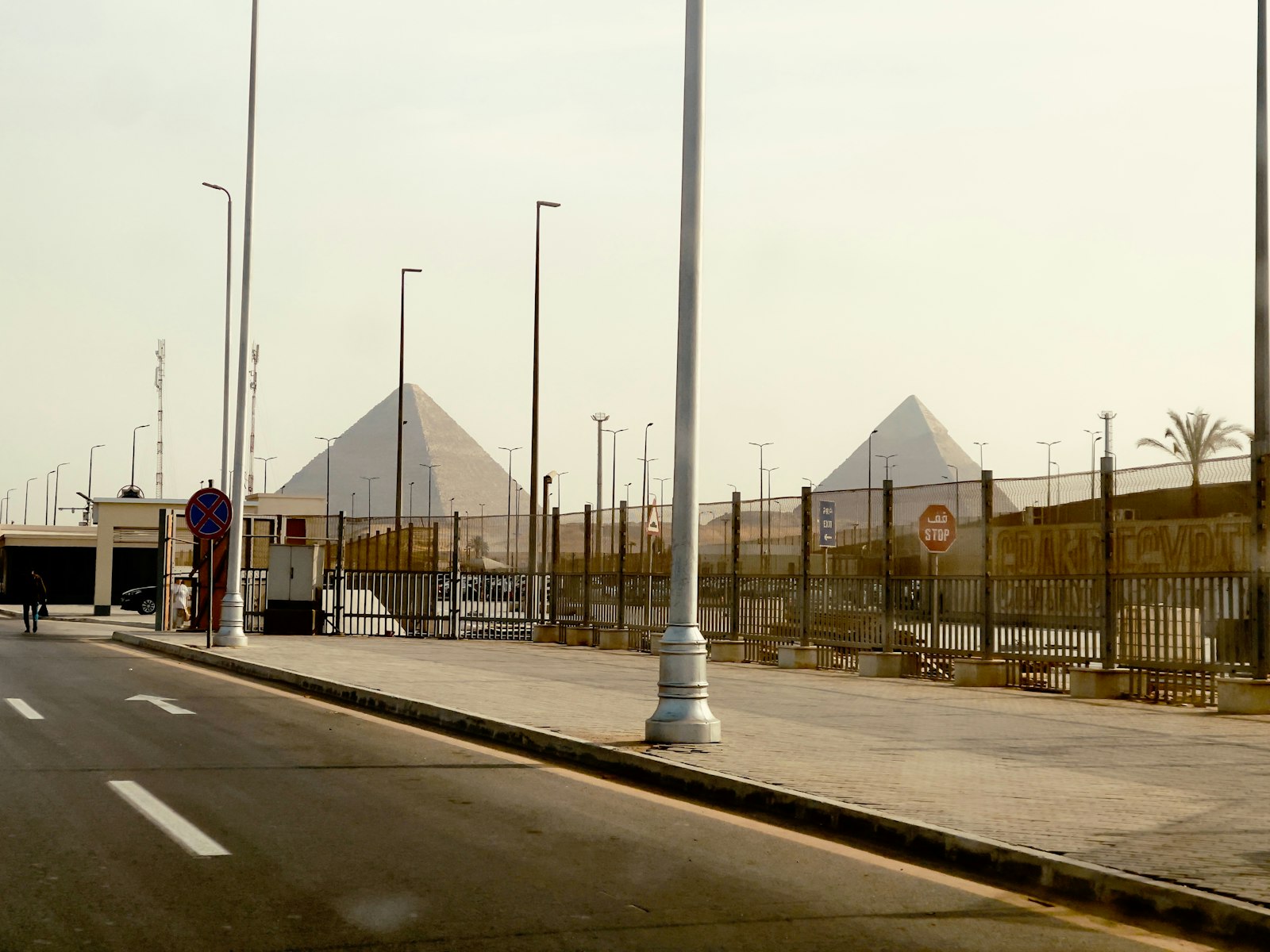
A typical Egypt itinerary can move between blazing desert heat at the Pyramids, heavily air-conditioned museums, a mosque visit requiring modest dress, and a Red Sea beach — sometimes within the same week. Packing well means covering all of that without dragging half your wardrobe along.
Clothing
Lightweight, breathable fabrics — cotton and linen over synthetics — handle the heat far better and are the most useful base for almost every day of a typical trip. Modest dress (shoulders and knees covered) is expected at mosques and appreciated more generally away from resort areas and beaches; a light long-sleeve layer or scarf is useful for both sun protection and mosque visits in one item. Evenings, especially in the desert or on a Nile cruise, can be noticeably cooler than the daytime heat suggests, so pack at least one warmer layer even in summer.
Footwear
Comfortable, closed walking shoes are worth prioritizing over sandals for most sightseeing days — sites like the Valley of the Kings, Giza, and Islamic Cairo involve uneven ground, sand, and ancient stone rather than flat paved paths. Sandals or flip-flops earn their place for the beach and around hotel pools, but shouldn't be your only footwear if temples and markets are on the itinerary.
Sun protection
Egypt's sun is stronger than it looks, even in the cooler winter months. A wide-brimmed hat, good sunglasses, and a high-SPF sunscreen are close to non-negotiable, and reef-safe sunscreen specifically is worth seeking out if diving or snorkelling is part of the trip. A refillable water bottle is worth packing too — most hotels and many restaurants can refill it, cutting down on single-use plastic and the need to keep buying bottled water.
Diving and beach gear
If you're planning to dive, most dive centres rent full equipment, so you don't need to bring your own gear unless you have strong preferences about fit — a mask you already trust and swimwear are usually enough to bring yourself. A light rash guard or wetsuit top is worth packing for extended snorkelling even outside of formal diving, since sun exposure in the water adds up quickly.
What to leave at home
Heavy or bulky clothing rarely earns its space, since even winter evenings in Egypt are mild by most travelers' standards. Overly revealing swimwear or clothing is best kept to resort pools and private beach areas rather than public beaches or anywhere near religious sites. A drone can require special permits in Egypt, so check current rules before packing one rather than assuming it will be allowed through customs.
Practical tips
- Pack a printed or downloaded copy of your visa/e-Visa approval and hotel confirmations — wifi at the airport isn't always reliable the moment you land.
- A small daypack is useful for day trips, since most sites involve some walking away from the tour bus or taxi.
- Basic over-the-counter remedies for stomach upset and sun exposure are worth packing, particularly if you're headed somewhere remote for part of the trip.
- A universal adapter is needed — Egypt uses the European-style two-pin plug (Type C/F) at 220V.
Egypt rewards packing light and layering rather than trying to prepare a separate outfit for every possible scenario — a handful of breathable basics, one warm layer, good shoes, and proper sun protection cover almost everything the trip is likely to throw at you.