

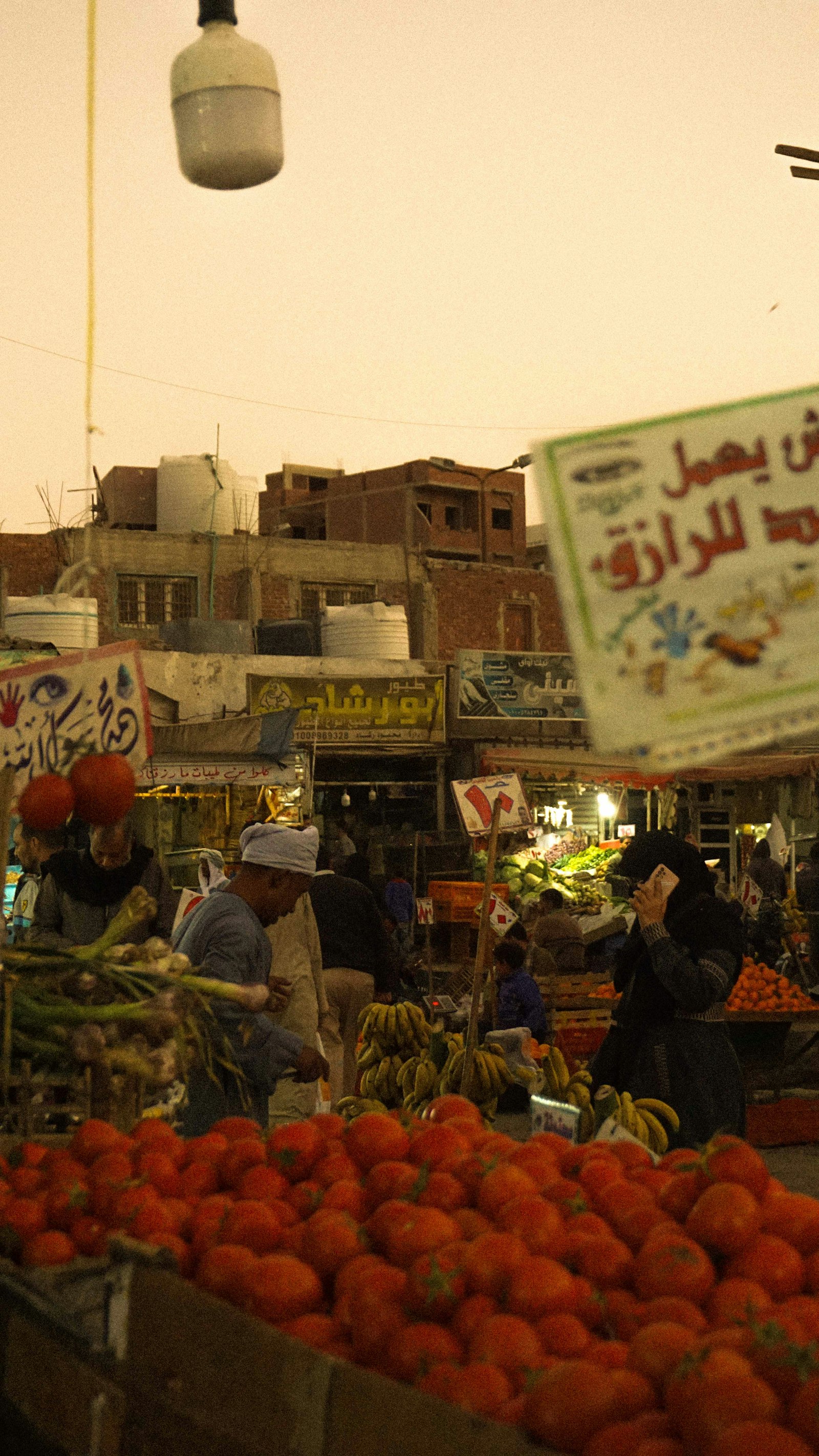
The short answer is no — tap water in Egypt is not recommended for drinking by foreign visitors, even though it's treated and used safely by residents who've built up tolerance to the local water over time. The good news is that avoiding it is simple and doesn't meaningfully complicate a trip.
Stick to bottled or filtered water
Bottled water is cheap, sold everywhere from hotel minibars to street kiosks, and is the standard, easy solution — check that the seal is intact before drinking, since refilled bottles do occasionally circulate at the cheapest, least reputable vendors. Many hotels and restaurants also offer filtered water refill stations, a more sustainable option worth using when available rather than buying yet another plastic bottle.
What about ice and brushing your teeth
Ice in reputable hotels and restaurants is generally made from filtered or treated water and considered fine; at informal street stalls, it's worth being more cautious, since standards vary more. For brushing your teeth, most travelers find tap water is fine for this specifically (as opposed to drinking it directly), though using bottled water is the more cautious option if you want to eliminate any risk entirely.
Food safety basics
Street food in Egypt is genuinely excellent and mostly safe when you apply a few basic filters: choose stalls with visible turnover (busy, cooking fresh, not food sitting out for hours), and where the food is cooked hot in front of you rather than pre-prepared and displayed at room temperature. Freshly peeled fruit is generally safe; pre-cut fruit sold from carts, where it's been exposed to air, flies, and handling, carries more risk. Salads washed in tap water at informal establishments are one of the more common causes of stomach upset, so they're worth being a little more selective about, particularly early in a trip before your system has any chance to adjust.
If you do get an upset stomach
A mild, short bout of traveler's diarrhea is common enough that it's worth packing basic over-the-counter remedies rather than treating it as an emergency — rehydration salts, a bland diet for a day, and rest resolve most cases within a day or two. Seek medical attention if symptoms are severe, include a high fever, or last more than a couple of days without improving, rather than trying to push through it.
Practical tips
- Carry a reusable water bottle and refill it at hotels/restaurants offering filtered water, rather than buying new plastic bottles constantly.
- Check bottled water seals are intact before drinking, especially from very cheap or informal vendors.
- Favor busy food stalls cooking fresh in front of you over food that's been sitting out.
- Pack basic rehydration salts and an anti-diarrheal as routine travel kit items, not just for Egypt specifically.
None of this is medical advice — it's general practical guidance. If you're already in Egypt and dealing with a health issue you need help navigating, Egypt X Ltd runs a free travel health assistance service to help you find appropriate care. Egypt X Ltd is not a healthcare provider and does not give medical advice.