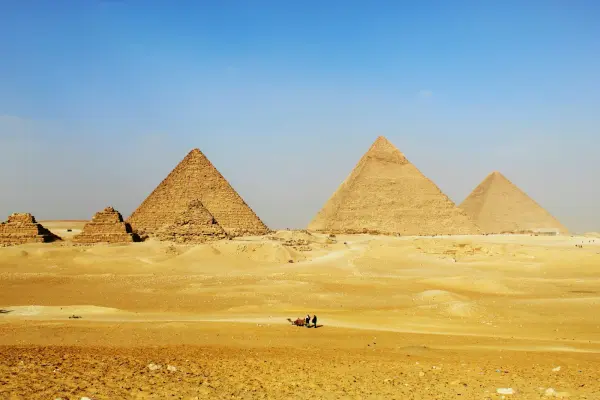

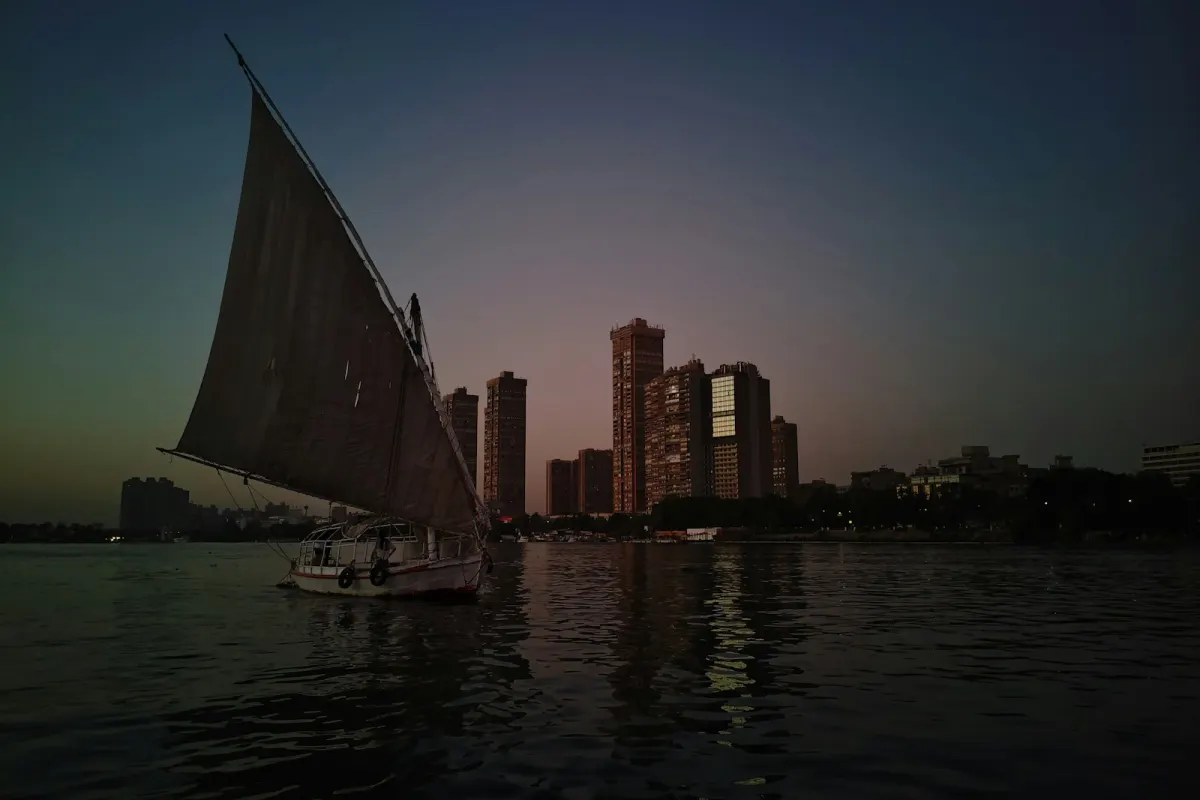
Millions of tourists visit Egypt every year to dive the Red Sea, sail the Nile, and stand before the Pyramids of Giza — and the overwhelming majority go home with nothing worse than sunburn and a phone full of photos. Still, travelling somewhere with a different climate, food, and healthcare system is worth a bit of preparation. Here is a practical, no-drama guide to staying well while you're here.
Water and food
Stick to bottled or filtered water for drinking and brushing your teeth — tap water is treated but the mineral content differs enough from what most visitors' stomachs are used to that it's not worth the risk. Bottled water is sold everywhere, from hotel minibars to street kiosks, and is inexpensive.
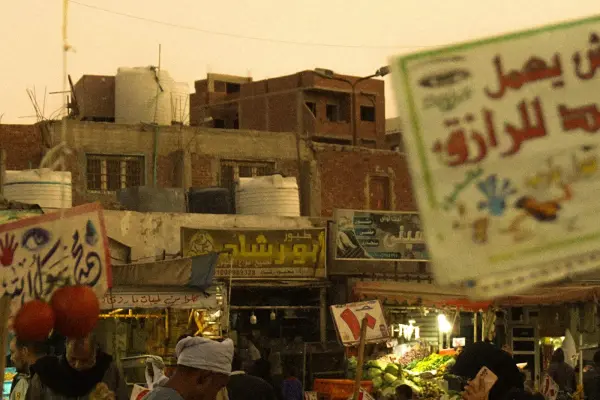
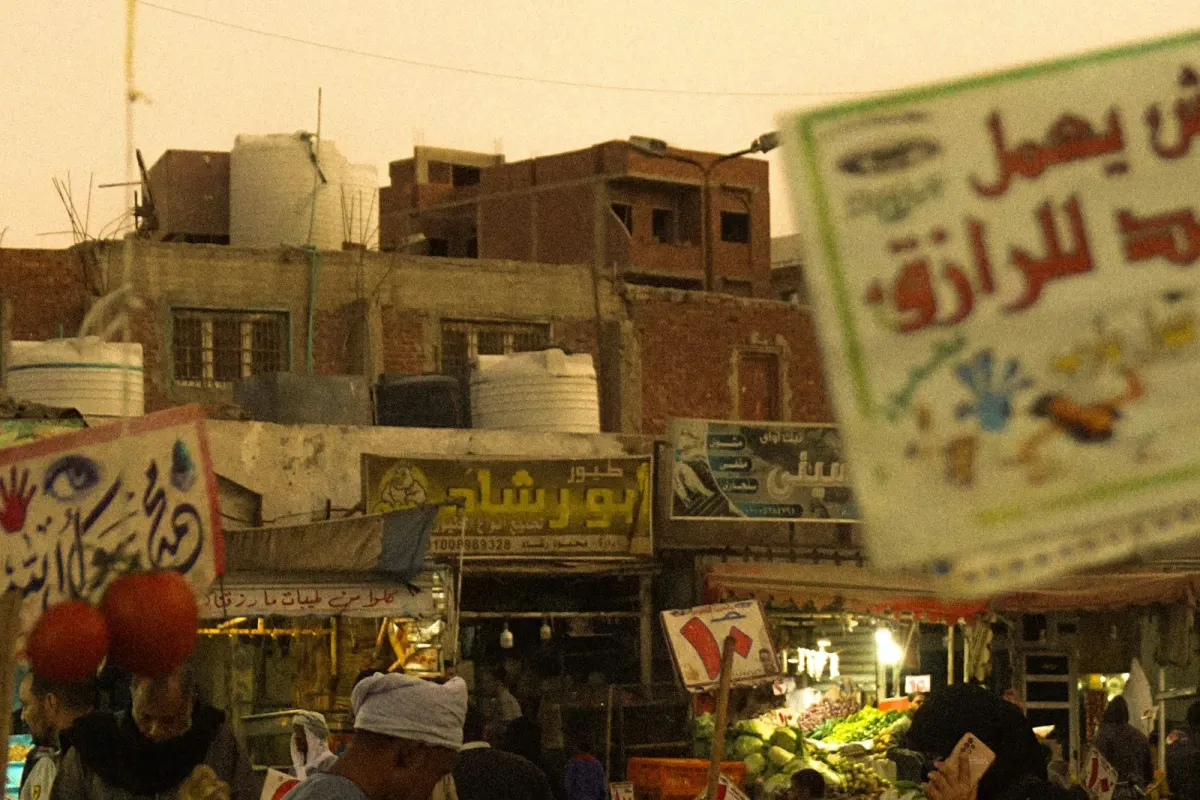
Street food in Egypt is genuinely excellent, and most of it is perfectly safe if you follow one rule: eat where the food is cooked fresh in front of you and where locals are already queuing. Ta'ameya (Egyptian falafel), koshari, and grilled kebabs from a busy stall are usually a safer bet than a half-full buffet that's been sitting out.
Sun and heat
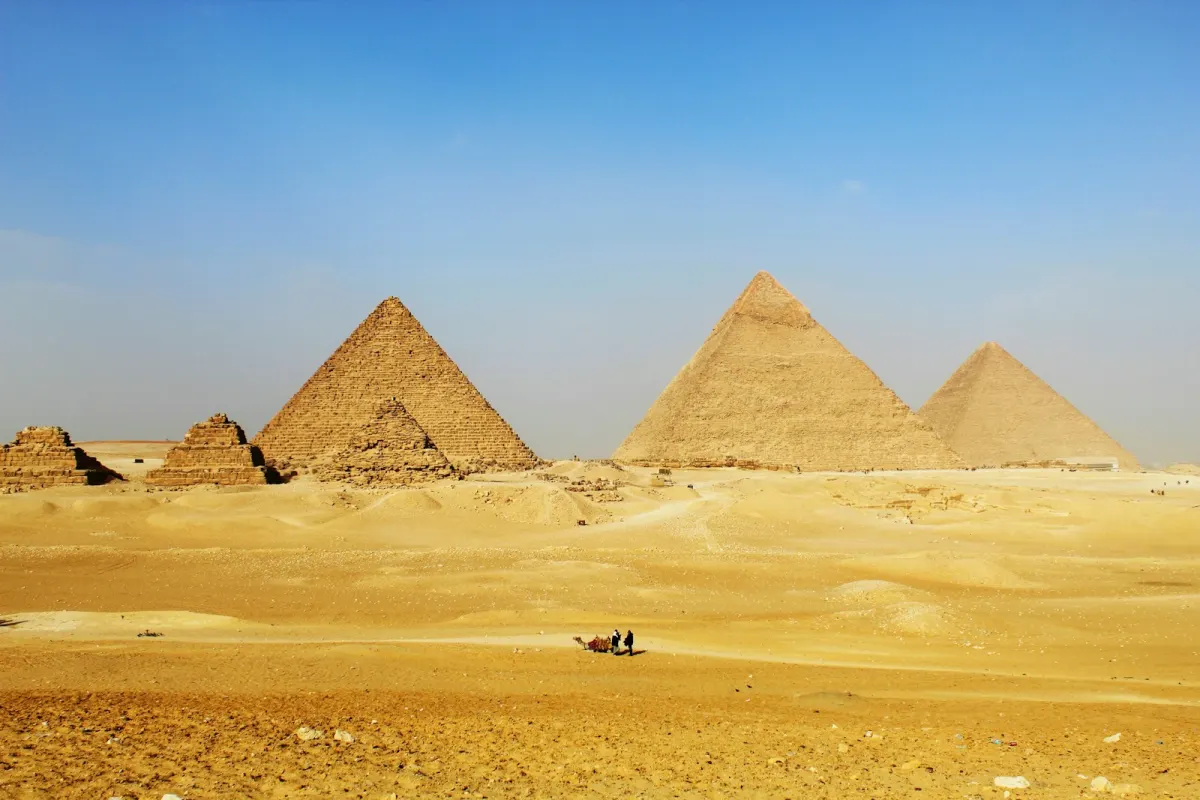
Egypt's sun is stronger than most visitors expect, even in the cooler months. Reef-safe sunscreen (mandatory anyway if you're diving or snorkelling around coral), a hat, and reapplying every couple of hours will save your trip. Between June and August, plan outdoor sightseeing — especially at sites like Giza or Luxor's temples, which have very little shade — for early morning or late afternoon, and drink more water than feels necessary.
Getting around
In cities, official taxis and ride-hailing apps (widely available in Cairo, Hurghada, and other major hubs) are the easiest and safest way to get around. For diving and desert excursions, book only with licensed operators — every reputable dive centre in Egypt is PADI (or equivalent) affiliated and will ask about your certification level and medical history before taking you out, which is exactly what should happen.
Vaccinations and everyday health
No vaccinations are legally required to enter Egypt for most travellers, though routine vaccinations (tetanus, hepatitis A, and typhoid) are commonly recommended by travel clinics — check with your doctor a few weeks before you fly, since some vaccines need time to take effect. Bring a basic travel medical kit: rehydration salts, any prescription medication in its original packaging with a copy of the prescription, and basic pain/fever relief.
If something does go wrong
Egypt's major tourist areas — Cairo, Hurghada, Sharm El Sheikh, Luxor — have private hospitals and clinics well used to treating international visitors, and standards at the ones serving the tourist industry are generally good. The practical challenge for most travellers isn't finding care, it's navigating it in an unfamiliar country: which hospital to go to, how to communicate with your travel insurer while you're dealing with a health issue, and how to avoid being quoted prices meant for someone without insurance.
This is exactly the kind of situation Egypt X exists to help with. Alongside our travel and diving brands, we help tourists in Egypt access appropriate medical care and coordinate directly with their travel or medical insurance provider, so a health issue during your trip doesn't turn into a second problem on top of the first. If you're planning a trip and have an existing medical condition, mobility needs, or simply want to know your options are covered before you travel, it's worth getting in touch ahead of time rather than after something happens.
The bottom line
Egypt is a safe, welcoming destination that handles millions of international visitors every year without incident. Basic precautions — bottled water, sun protection, licensed operators for anything adventurous, and knowing where to turn if you do need care — cover almost every scenario a tourist is likely to face.
Frequently asked questions
Is Egypt safe for tourists?
Millions of visitors travel to Egypt each year, and most go home with nothing worse than sunburn. Taking sensible precautions covers most situations: use official taxis or ride-hailing apps, book only licensed tour and dive operators, and keep valuables secure. Safety conditions can change, so check your own government's current travel advice before you go.
What health precautions should I take when visiting Egypt?
Drink bottled or filtered water, eat freshly cooked food from busy places, and use strong sun protection with a hat. Bring rehydration salts, any prescription medication in original packaging with a copy of the prescription, and basic pain and fever relief. Check routine vaccinations with your doctor or official travel health source a few weeks before you fly.
How hot does Egypt get, and how do I cope with the sun?
The sun is stronger than many visitors expect, even in cooler months, and summer from June to August can be very hot. Plan outdoor sightseeing at places such as Giza or Luxor for early morning or late afternoon, wear a hat, reapply sunscreen every couple of hours and drink more water than feels necessary.
Are taxis and ride-hailing apps safe in Egypt?
In cities, official taxis and ride-hailing apps are generally the easiest option for visitors. Apps show the fare in advance, which avoids haggling. If you use a regular taxi, agree the price or confirm the meter will be used before you start. For excursions and transfers, use licensed operators and ask what is included.
Are there good hospitals for tourists in Egypt?
Major tourist areas such as Cairo, Hurghada, Sharm El Sheikh and Luxor have private hospitals and clinics used to treating international visitors, though quality varies. In an emergency, ask your hotel for help or contact local emergency services. Check current emergency numbers with an official source. This is general information, not medical advice.
What should I do if I fall ill or get injured in Egypt?
For anything serious, seek local medical help straight away through your hotel, a nearby clinic or hospital, or local emergency services. Keep records and receipts, and contact your own insurer or assistance provider if you have one, as they may have claim steps to follow. Egypt X Ltd is not a healthcare provider and cannot give medical advice.
Ready to dive the Red Sea yourself?
Book PADI-certified dive trips, courses and snorkelling excursions in Hurghada and Marsa Alam directly with our sister brand, Egypt X Diving.
Explore trips on egyptxdiving.com →Travel Health Assistance (Free Service)
Egypt X can help travellers in Egypt reach appropriate medical care and liaise with the insurer they already have. This is a free service — Egypt X is not an insurance company and sells no insurance.
Read more