

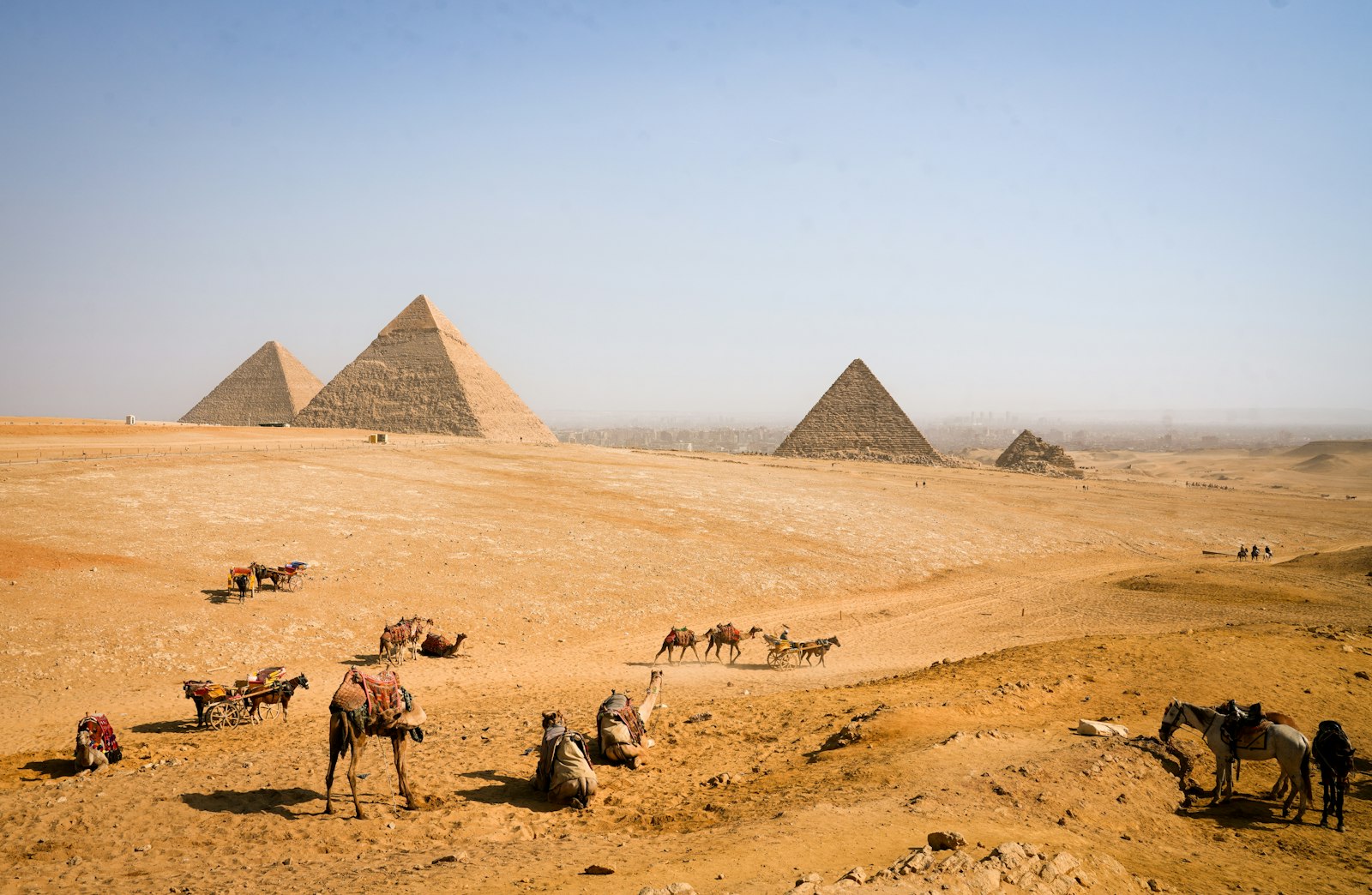
Egypt's off-season — roughly June through August for sightseeing purposes — gets skipped by a lot of travelers for one reason: heat. That reputation is fair, but it also means the off-season quietly delivers the lowest prices, thinnest crowds, and most empty-feeling major sites of the entire year, for travelers willing to plan around the temperature rather than ignore it.
What "off-season" actually means in Egypt
Egypt doesn't have a true dead season — the Red Sea coast is arguably at its best from May through October, since warmer water and reliable conditions suit diving and beach time perfectly. "Off-season" really refers to inland sightseeing (Cairo, Luxor, Aswan), where summer heat — regularly above 35°C, sometimes well above 40°C in Luxor and Aswan — makes the winter peak season the more comfortable, and more expensive, choice.
What you actually gain
Hotel prices inland drop noticeably compared to the December–February peak, sometimes substantially at higher-end properties that rely on winter demand. Major sites like the Pyramids, Karnak, and the Valley of the Kings see a fraction of peak-season crowds, which changes the experience meaningfully — photos without dozens of strangers in them, and no need to arrive at the crack of dawn purely to beat crowds (though it still helps with the heat). Flights and Nile cruises are also generally cheaper and easier to book on short notice.
What you have to plan around
The heat is real and needs actual planning, not just acknowledgment. Outdoor sightseeing works best very early morning (before 9am) or the last couple of hours before sites close, with the middle of the day reserved for indoor stops (museums, air-conditioned transport) or simply resting. Hydration matters more than usual — carry more water than feels necessary and add electrolytes if you're out for extended periods. Sites with minimal shade, like the Valley of the Kings and Giza plateau, are more physically demanding in summer heat than the same walk would be in winter.
Who the off-season suits best
Travelers who are heat-tolerant, prioritize budget and low crowds over cooler comfort, or who are combining inland sightseeing with a Red Sea diving trip (where summer is genuinely the better season) get the most out of visiting in these months. Families with young children or anyone with heat-sensitivity issues will generally have an easier trip in the cooler months, even at a higher price.
Practical tips
- Front-load outdoor sightseeing into early morning, and treat midday as indoor/rest time rather than fighting the heat.
- Book accommodation with reliable air conditioning — check reviews specifically for this rather than assuming.
- Combine an off-season inland trip with Red Sea time, since summer is when the coast is arguably at its best anyway.
- Loose, breathable, light-colored clothing and a proper sun hat matter more in these months than any other time of year.
The off-season isn't the wrong time to visit Egypt so much as a trip that rewards planning around the heat specifically — do that, and the trade-off of lower prices and thinner crowds is a genuinely good one for the right traveler.