

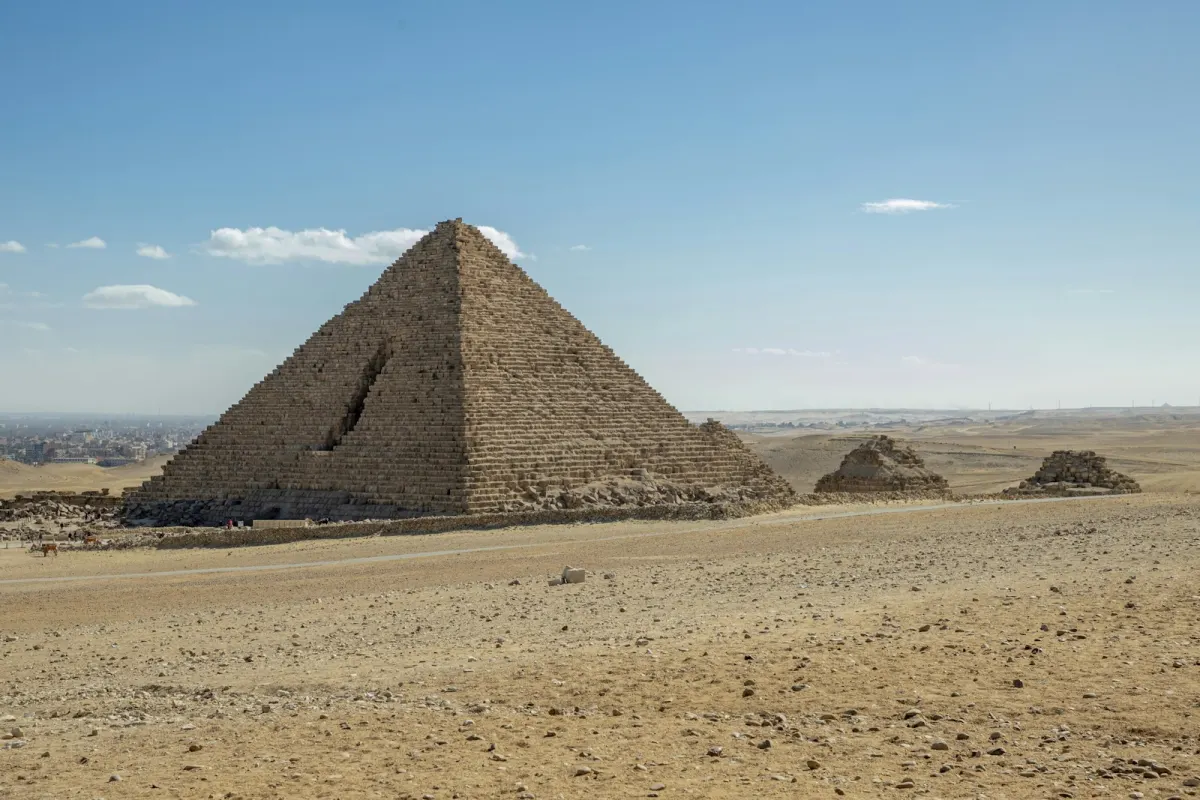
Egypt doesn't really have an "off season" the way some destinations do — there's a good reason to visit in every month of the year. But the right time for you depends heavily on what's on your itinerary: a diver chasing warm Red Sea water wants a different month than someone planning to walk around the Pyramids or Karnak Temple at midday.
October to April: peak season for sightseeing
This is when most first-time visitors come, and for good reason. Daytime temperatures in Cairo, Luxor, and Aswan sit in a comfortable 20–28°C range, making it realistic to spend hours outdoors at the Pyramids, the Valley of the Kings, or wandering Islamic Cairo without needing a break every twenty minutes. It's also peak season for Nile cruises between Luxor and Aswan, which run in more comfortable conditions during these months.
The trade-off is crowds and price. December and January in particular see the highest hotel rates and the busiest major sites — arrive at Giza right at opening time (usually 8am) if you want photos without a few hundred other visitors in them.
May to September: the Red Sea's high season
This is when Hurghada, Marsa Alam, and Sharm El Sheikh come into their own. Water temperatures climb into the high 20s°C, visibility is excellent, and it's the best window for diving and snorkelling on the Red Sea's reefs. Air temperatures inland climb well above 35°C, which is exactly why this period is quieter (and cheaper) for Cairo and Luxor sightseeing — most visitors doing both regions in one trip either front-load the inland sightseeing before summer or save it for the shoulder months.

Shoulder months: March–April and October–November
If you want to combine diving and sightseeing in a single trip without extreme heat inland, these are the sweet spots. Prices are lower than peak winter, crowds are thinner, and both the coast and the Nile Valley sit in a comfortable range.
What doesn't change year-round
The Red Sea coast rarely dips below dive-able temperatures even in the coolest months (January water temperatures still sit around 22–24°C, comfortable in a 5mm wetsuit), so diving trips are genuinely viable any time of year — it's really a question of how warm you personally like the water, not whether the trip is possible.
Quick reference
- Best for sightseeing (Cairo, Luxor, Aswan): November–March
- Best for diving and Red Sea beaches: May–October
- Best value / fewer crowds, both regions: March–April, October
- Avoid if heat-sensitive: Inland sightseeing in July–August
Whatever month you choose, Egypt rewards a bit of planning around the heat and the crowds far more than it punishes any particular season — there's genuinely no wrong time to come.
Frequently asked questions
What is the best month to visit Egypt?
It depends on your plans. For sightseeing in Cairo, Luxor and Aswan, November to March is the most comfortable. For diving and Red Sea beaches, May to October is ideal. If you want to combine both with fewer crowds and lower prices, March to April and October are good compromises. Always check current forecasts before you travel.
Is Egypt too hot to visit in summer?
Inland, it can be. Air temperatures in Cairo, Luxor and Aswan often climb well above 35 degrees Celsius in July and August, which makes midday sightseeing tiring. Plan outdoor visits for early morning, rest in the heat of the day and drink plenty of water. The Red Sea coast is a better summer choice, with warm water and good diving conditions.
When is the cheapest time to visit Egypt?
Prices are typically lowest in the hot summer months for inland destinations such as Cairo and Luxor, and in the shoulder months of March, April and October. December and January usually see the highest hotel rates and the busiest sites. Prices vary by year and property, so compare current rates for your dates rather than relying on general patterns.
Can you dive in the Red Sea in winter?
Yes. Diving is viable all year round. Water temperatures in January typically sit around 22 to 24 degrees Celsius, which is comfortable in a 5mm wetsuit for most people. Summer water is warmer, with temperatures reaching the high 20s, so the choice is mainly about how warm you like the water. Ask your dive centre what exposure protection they recommend.
What is the best time for a Nile cruise?
October to April is generally the most comfortable time for a Nile cruise between Luxor and Aswan, with milder daytime temperatures for temple visits. December and January are the busiest and priciest months. Summer cruises run too, but the heat on deck and at the temples is intense, so sightseeing needs to be done very early.
What time should I arrive at the Pyramids to avoid crowds?
Aim to arrive at opening time, which is usually around 8am, though you should check the current hours before you go. Crowds are heaviest in winter, particularly December and January, so an early start helps for both photos and heat. Visiting in the hotter off-peak months also means thinner crowds, but you will need to start even earlier to beat the sun.
Ready to dive the Red Sea yourself?
Book PADI-certified dive trips, courses and snorkelling excursions in Hurghada and Marsa Alam directly with our sister brand, Egypt X Diving.
Explore trips on egyptxdiving.com →