
Handling money in Egypt is straightforward once you know a few habits. The country runs largely on cash outside big hotels and upmarket restaurants, small change goes a long way, and tipping is a normal part of daily life. This guide covers the basics so you are not caught short.
The Egyptian pound
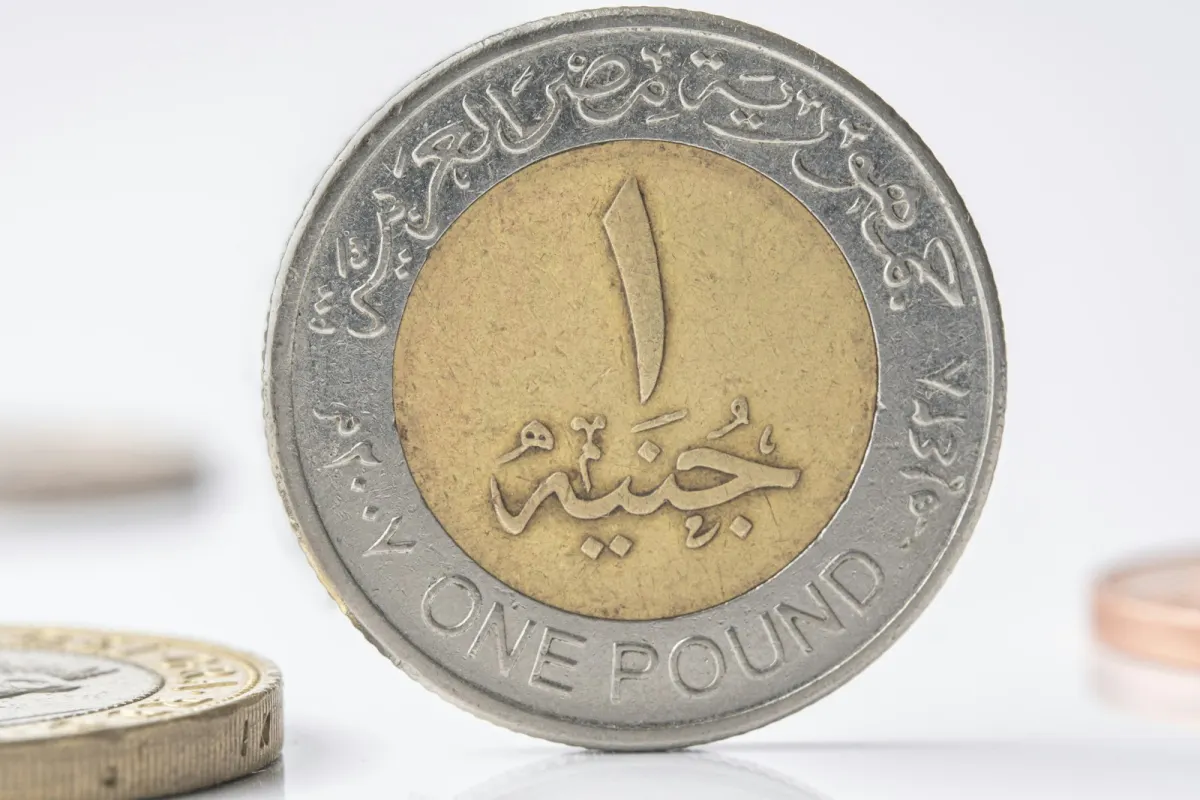
The local currency is the Egyptian pound, written EGP or LE, and divided into 100 piastres. Notes are the everyday money; coins and small notes are useful for tips and small purchases. The exchange rate has moved noticeably in recent years, so any figure you read in an article, including this one, may be out of date. Check a live rate shortly before you travel and again when you arrive.
Some hotels and tour operators quote prices in US dollars or euros, but day-to-day spending in shops, cafes, taxis and markets is in pounds. Paying in pounds is usually the simplest option.
Exchanging money
You generally have three sensible options:
- Banks and official exchange offices usually offer competitive rates and give you a receipt. Bring your passport, as it is often requested.
- Airport counters and hotel desks are convenient for a small amount on arrival, but the rate is typically less favourable than in town.
- ATMs are often the easiest way to get pounds at the prevailing rate (see below).
Avoid exchanging money on the street. It is unnecessary, it can be unlawful, and it is a common route to being short-changed or handed notes that are no longer in circulation. Count your money before you walk away from any counter and keep your receipt.
Notes in poor condition, torn or heavily taped, can be refused by shops and taxi drivers, so it is worth declining badly worn notes when you are given change.
Using ATMs
ATMs are common in cities and resort areas, including at the airports and in most hotel lobbies and shopping areas. Most accept international Visa and Mastercard cards. A few practical points:
- Withdrawal limits per transaction are often modest, so you may need several withdrawals, and each may carry a fee from the local bank as well as your own bank.
- Where a machine offers to convert the amount into your home currency, you will often get a better deal by choosing to be charged in Egyptian pounds and letting your own bank do the conversion. Compare if you can.
- Use machines inside bank branches or hotels where possible, and cover the keypad when you enter your PIN.
- Tell your bank you are travelling, and carry a second card in a different place in case one is swallowed or blocked.
Cards and cash
Cards are widely accepted at larger hotels, upmarket restaurants, dive centres, shopping malls and some tour companies, though a surcharge is sometimes added. Smaller cafes, local restaurants, market stalls, taxis, micro-buses and many entrance gates are cash-only or strongly prefer cash. Card machines can also be unreliable, so do not rely on them as your only option.
A sensible approach is to carry a mix: a card or two for hotels and larger bills, and enough pounds in smaller denominations for the day. Contactless payment is possible in some places but is not something to count on everywhere.
Tipping (baksheesh)
Tipping, known locally as baksheesh, is part of how many people in tourism earn a living, and it is expected in a way that may feel unfamiliar to some visitors. It is a thank-you for service rather than a bribe, and nobody should demand a large sum or make you feel uncomfortable.
Amounts vary by place, service and personal budget, and they shift with the exchange rate, so treat these as rough habits rather than rules:
- Restaurants: check whether a service charge is already on the bill. Even then, a little extra in cash for the waiter is customary, often around 10 per cent where no charge is included.
- Hotel porters and housekeeping: a small note per bag or per day is typical.
- Taxi drivers: agree the fare first; rounding up is welcome but not obligatory.
- Guides and drivers on a tour: tipping is usual and is generally higher than for a short service. Many travellers ask the operator for a suggested range.
- Dive and boat crews: it is normal to tip the instructor or guide and the boat crew. Some people pool a tip at the end of a trip.
- Small favours: someone who opens a door, points out a good photo spot or watches your shoes outside a mosque may expect a small coin or note.
Keep a stash of small notes in a separate pocket from your main cash. Fumbling with a large note in front of people can make tipping awkward and may leave you without change.
Common questions
How much cash should I carry?
Enough for the day, plus a little buffer, with the rest locked in your hotel safe. Keep your passport and backup card separate from your daily money.
Is it safe to use my card?
Normal precautions apply, as anywhere. Keep your card in sight when paying, check your statements afterwards, and consider enabling transaction alerts with your bank.
Can I take pounds home with me?
Rules on taking local currency in and out of the country can change, and unused pounds are often difficult to convert back at home. Check the current rules with official sources before you travel, and try to spend your cash before you leave.
Practical tips
- Check the live exchange rate before you travel and avoid exchanging more than you need at once.
- Ask for small notes when you change money or withdraw cash.
- Ask the price before you accept a service or a drink, and agree taxi fares in advance, or use a ride-hailing app.
- Keep receipts for exchange transactions until you leave.
For other trip preparation, our Egypt visa guide and packing list are good next reads.
Frequently asked questions
What currency do I need in Egypt?
The local currency is the Egyptian pound, written EGP or LE, divided into 100 piastres. Some hotels and tour operators quote prices in US dollars or euros, but everyday spending in shops, cafes, taxis and markets is in pounds, which is usually the simplest way to pay. The exchange rate has moved noticeably in recent years, so check a live rate before you travel.
How much cash should I carry in Egypt?
Carry enough for the day plus a small buffer, in a mix of small notes, and keep the rest, your passport and a backup card in the hotel safe. Outside big hotels and upmarket restaurants, much of the country runs on cash, and small notes are essential for tips and taxis. How much you need depends on your plans.
Where is the best place to exchange money in Egypt?
Banks and official exchange offices usually offer competitive rates and a receipt, so bring your passport. Airport counters and hotel desks are convenient for a small amount but the rate is typically less favourable, and ATMs are often the easiest option. Avoid street exchange, count your money before leaving the counter and keep your receipt.
Can I use my UK debit or credit card in Egypt?
Yes, international Visa and Mastercard cards are widely accepted at ATMs and at larger hotels, upmarket restaurants, malls and dive centres, sometimes with a surcharge. Smaller cafes, market stalls, taxis and many entrance gates are cash-only, and card machines can be unreliable. Tell your bank you are travelling and carry a second card separately.
How much should I tip in Egypt?
Tipping, or baksheesh, is a normal part of daily life, and amounts vary by service and budget. Around 10 per cent is a common habit in restaurants where no service charge is included, with a small note for porters and housekeeping. Guides, drivers and boat crews typically expect more, so ask the operator for a suggested range.
Should I choose pounds or my home currency when an ATM in Egypt offers a choice?
You will often get a better deal by choosing to be charged in Egyptian pounds and letting your own bank do the conversion, though it is worth comparing if you can. Withdrawal limits per transaction are often modest, and both the local bank and your own bank may charge fees. Use machines inside banks or hotels and cover the keypad.