
Egypt is famously hospitable, and the vast majority of conversations you have there will be friendly and genuine. That said, popular tourist areas attract a small number of people who make a living from visitors who do not know the local norms. Knowing the common tactics in advance lets you deal with them politely and get on with your day. This is not a reason to be suspicious of everyone, just to be informed.
The mindset that helps
Most pushy approaches rely on surprise, social pressure or confusion about prices. A calm, friendly “no, thank you” (“la, shukran”), a smile and continued walking solves the large majority of situations. You do not need to be rude, and you do not need to explain yourself.
Common situations to know about
“The attraction is closed today”
Someone near the entrance of a site or museum tells you it is closed, or that you need to go another way, and offers to take you somewhere else, often to a shop. Before changing plans, check opening hours on the official ticket office sign or website, or ask at the actual gate. Official ticket offices and staff in uniform are your reliable sources.
Taxis without a fixed price
Some taxis are unmetered or the meter “does not work”. The simplest fix is to agree the fare before you get in, or use a ride-hailing app where the price is shown upfront. Apps such as Uber operate in several Egyptian cities and are popular with visitors; availability can vary by area, so check what works where you are staying. Having small notes ready helps avoid the “no change” routine at the end of a journey.
Perfume and papyrus “factories” and showrooms
A friendly guide or driver may take you to a perfume maker, papyrus shop or similar business as a “cultural visit”. These stops are frequently commission-based, and prices can be high. There is nothing wrong with shopping, and some places are good quality, but you are under no obligation to buy. If you only want sightseeing, say so clearly at the start and agree your route. If you do buy, compare prices elsewhere first and remember that “genuine” claims are hard for visitors to verify.
Photo traps with camels, horses and costumes
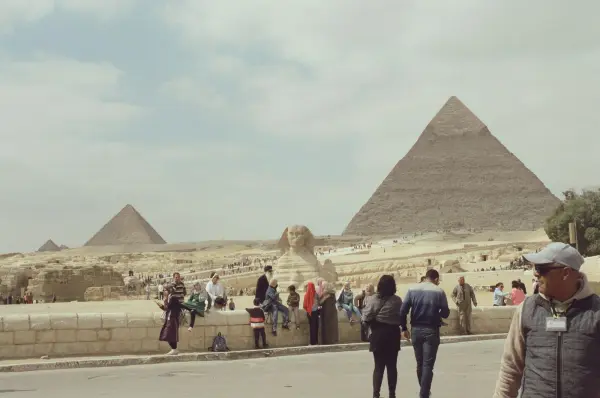
Someone places a scarf on your head, hands you a camel’s lead or invites you to take a photo, then asks for payment afterwards. Politely decline anything you have not agreed in advance. If you do want a ride or a photo, settle the price, the duration and what is included before you start.
Unrequested help and “free” gifts
A friendly stranger may offer a small gift, a bracelet or a “free” guided minute, and then expect a tip or a purchase. Remember that unrequested help often comes with an expectation. If you want a guide, book one on your terms.
Tipping pressure
Tipping (baksheesh) is a genuine part of daily life in Egypt, and many service workers rely on it. However, you may occasionally be asked for a tip for something you did not ask for, such as opening a door or pointing out a sight. You can decline, or give a small amount if you feel it was fair. Keeping small-denomination notes makes this far easier. Our visa guide covers arrival basics, and you may also like our packing list, which includes the small-notes advice.
Fair-price habits
- Ask first. Agree prices for taxis, tours, rides and souvenirs before you commit.
- Check the official price. Many major attractions publish a ticket price. Foreign visitors typically pay more than locals, and that is normal.
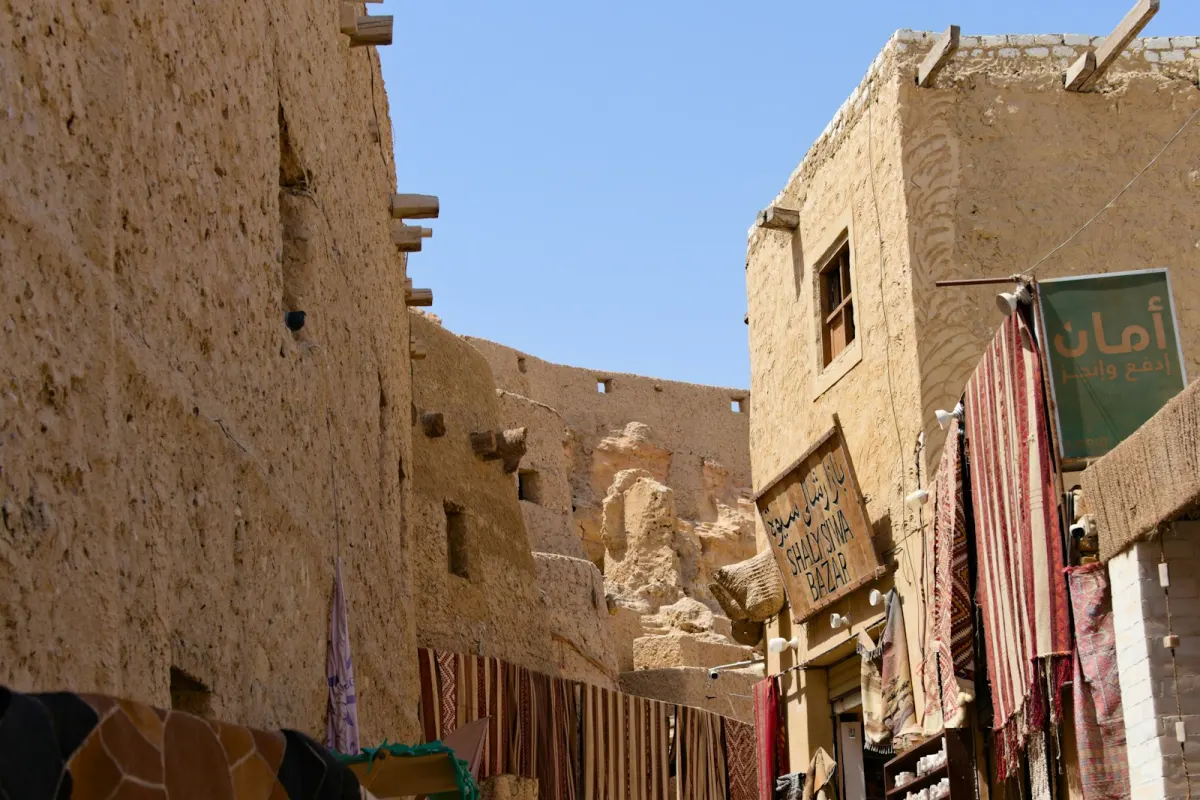
- Haggle with good humour. Bargaining is expected in markets but not in shops with fixed prices. Start lower than you are willing to pay, stay friendly and be ready to walk away.
- Compare. Visit two or three stalls before buying something expensive.
- Ask your hotel. Reception staff can usually tell you what a fair taxi fare or tour price looks like.
Using official sources and apps
Buy attraction tickets from official ticket offices or official websites where available. Be cautious of anyone selling “skip the line” tickets on the street. For transport, a reputable ride-hailing app or a hotel-arranged car is often the least stressful way to travel, especially at night or after a long flight. For tours, choose a licensed operator with clear terms and recent, genuine reviews, and confirm what is included.
Staying safe with your belongings
- Keep valuables out of sight in crowded places such as markets and busy stations.
- Do not leave your phone or wallet on cafe tables.
- Carry a photocopy or photo of your passport and keep the original in a safe place when you can.
- Use ATMs inside banks or hotels where possible.

If something goes wrong
If you feel pressured, move away to a busier place, such as a hotel, a restaurant or an official ticket office. Staff there can help you. Egypt has a dedicated tourist police presence at many major sights, and your hotel can advise on how to contact them. For a longer list of numbers and steps, see our guide to emergency numbers and the tourist police. Contact your embassy for serious problems such as a lost passport.
Keeping it in perspective
Most visitors only meet some persistent sellers and the occasional overpriced taxi. A little preparation, a few small notes and a relaxed attitude go a long way. The people who guide, drive and welcome you in Egypt are mostly honest and generous, and a good experience with one of them is likely to be the most memorable part of your trip.
Questions about planning your trip? You are welcome to get in touch via our contact page.
Frequently asked questions
What are the most common tourist scams in Egypt?
Common situations include someone claiming an attraction is closed and offering to take you elsewhere, taxis without a fixed price, commission-based perfume or papyrus showrooms, camel and costume photo traps, and unrequested help followed by a tip request. A calm, friendly no, thank you and continuing to walk resolves most of them.
How do I avoid being overcharged by taxis in Egypt?
Agree the fare before you get in, or use a ride-hailing app where the price is shown upfront. Apps such as Uber operate in several Egyptian cities, though availability varies by area. Carry small notes to avoid the no-change routine, and ask your hotel reception what a fair fare for your journey typically looks like.
What should I do if someone says a site or museum is closed?
Do not change your plans on a stranger's word. Check opening hours on the official ticket office sign or website, or ask at the actual gate. Uniformed staff and official ticket offices are reliable sources. People who say a site is closed often want to steer you towards a shop or another paid service.
Is it safe to haggle in Egyptian markets, and how much should I pay?
Haggling is expected in markets, though not in fixed-price shops. Start lower than you are willing to pay, stay friendly and be ready to walk away. Compare two or three stalls before buying something expensive, and ask your hotel what is reasonable. Prices vary widely, so there is no single right figure.
Do I have to tip in Egypt, and how do I handle pressure for baksheesh?
Tipping is a genuine part of daily life, and many service workers rely on it. You are not obliged to tip for something you did not ask for, such as someone opening a door or pointing out a sight. Keeping small-denomination notes makes it easier to give a modest amount when you feel it is fair.
Who can I contact if I feel pressured or something goes wrong?
Move to a busier place such as a hotel, restaurant or official ticket office, where staff can help. There is a tourist police presence at many major sights, and your hotel can advise how to contact them. For serious problems such as a lost passport, contact your embassy or consulate.