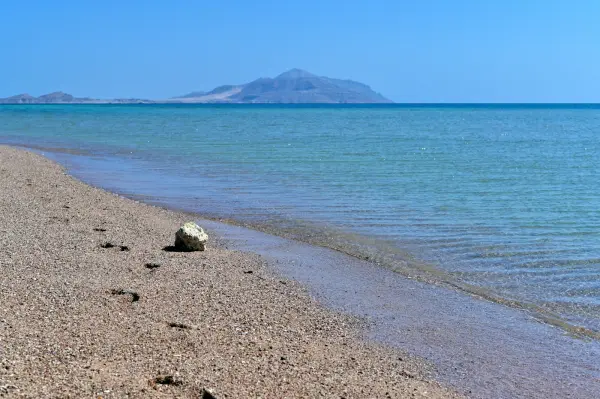

Safaga sits on Egypt's northern Red Sea coast, a couple of hours south of Hurghada by road — close enough to reach easily, far enough to stay noticeably quieter, with a diving scene that's earned a loyal following among divers who've already done the more famous sites further north and south.
What makes Safaga distinctive
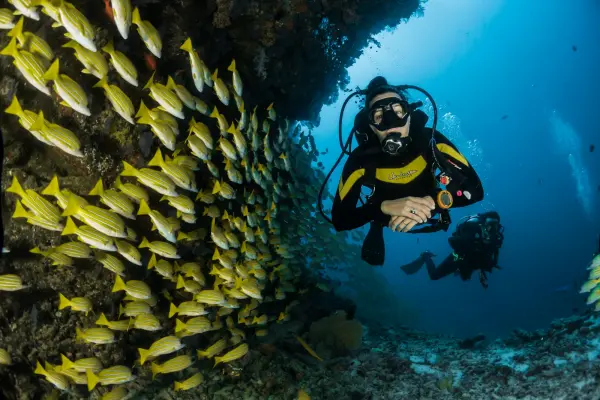
Safaga's bay is naturally sheltered but positioned to catch stronger currents than many other Red Sea spots, which sounds like a downside until you understand what it brings: exceptional water clarity, since currents keep sediment moving rather than settling, and a higher chance of encountering larger pelagic species — reef sharks, rays, and dolphins are all realistic sightings here, more so than at some calmer, more sheltered sites further along the coast.
Wreck diving
Safaga is one of the northern Red Sea's better-regarded wreck diving bases. The most notable is the Salem Express, a ferry that sank in 1991, now a poignant and popular technical-leaning dive for experienced divers, generally recommended only for those with wreck diving experience or training given its depth and the nature of the site. Several other smaller wrecks and reef structures round out a solid week of varied diving without repeating the same site twice.
Reef diving and marine life
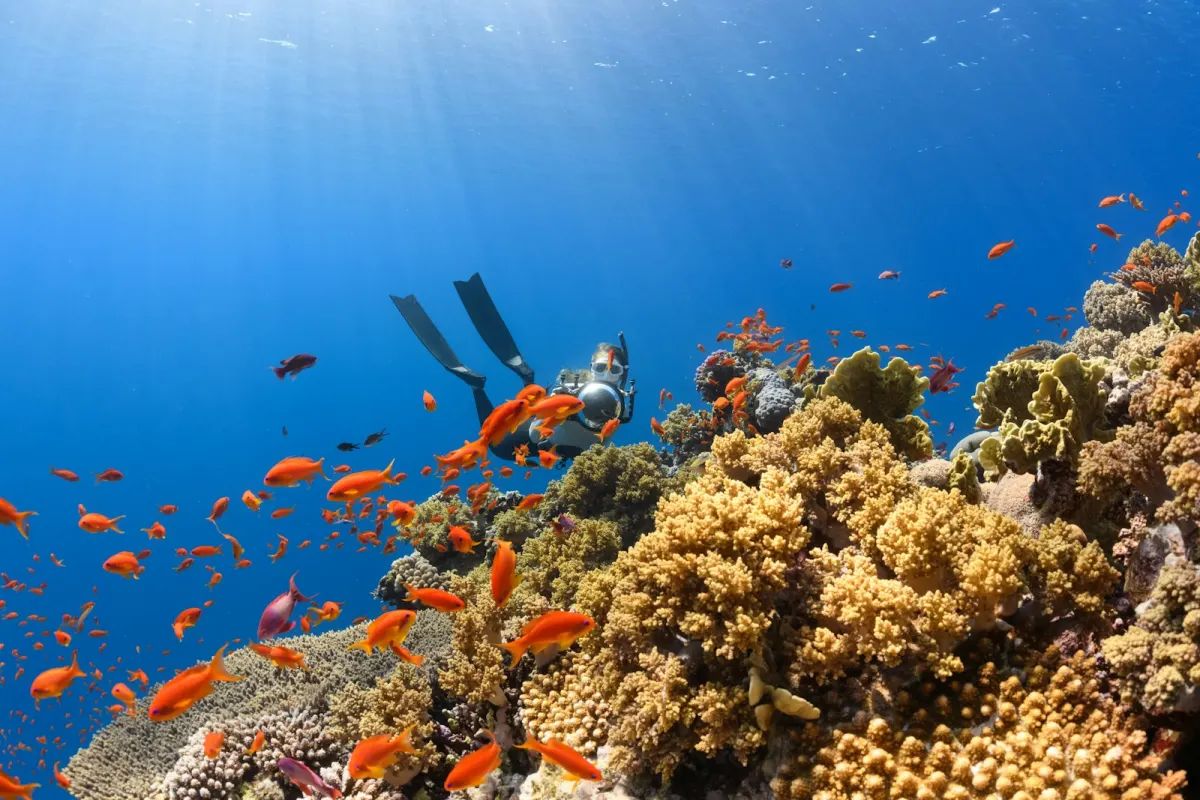
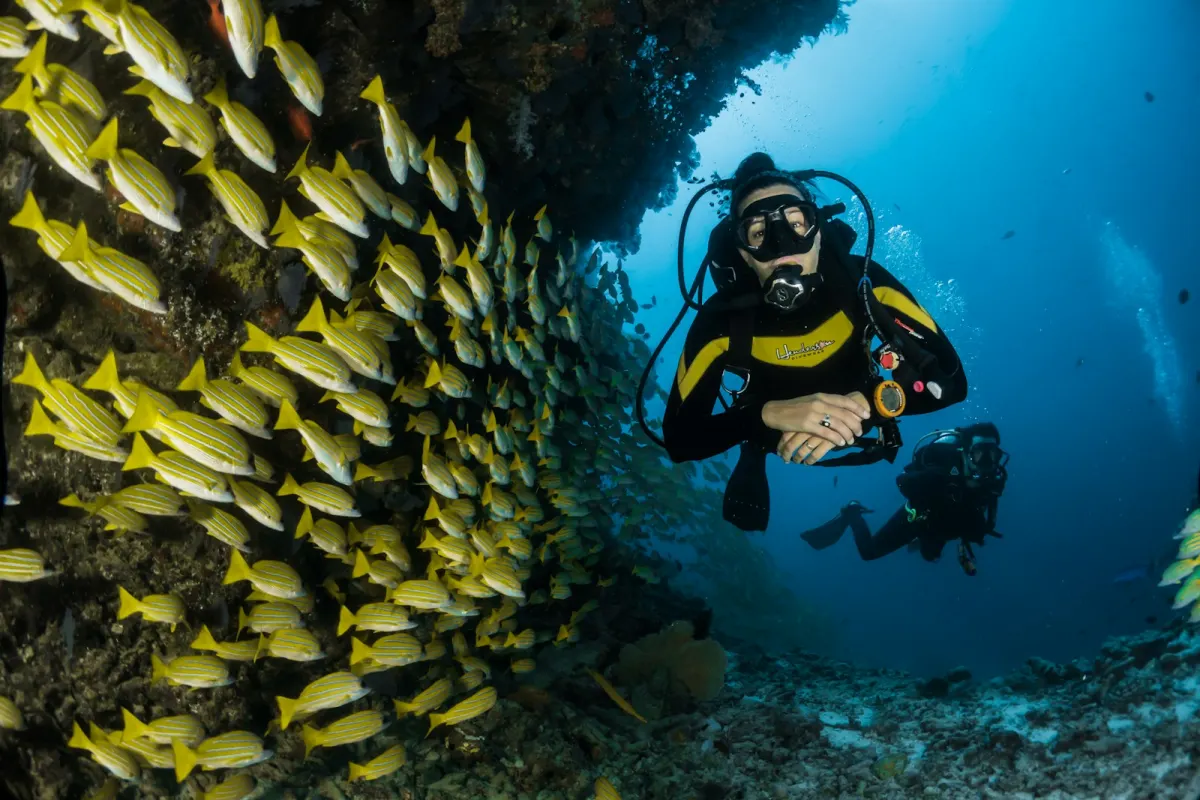
Beyond the wrecks, Safaga's reef sites offer classic Red Sea coral gardens with the added draw of a resident pod of dolphins that's become one of the area's signature attractions — boat trips specifically aimed at responsible dolphin encounters (snorkelling alongside rather than chasing or touching) are a popular addition to a diving-focused stay.
Who Safaga suits
The stronger currents that define much of Safaga's diving make it a better fit for divers with some open-water experience rather than complete first-timers — that said, sheltered bay sites suitable for beginners and Discover Scuba Diving experiences do exist, so it's not exclusively for advanced divers, just worth choosing your dive centre and site based on your certification level rather than assuming every site here suits every level.
Getting there and where to stay
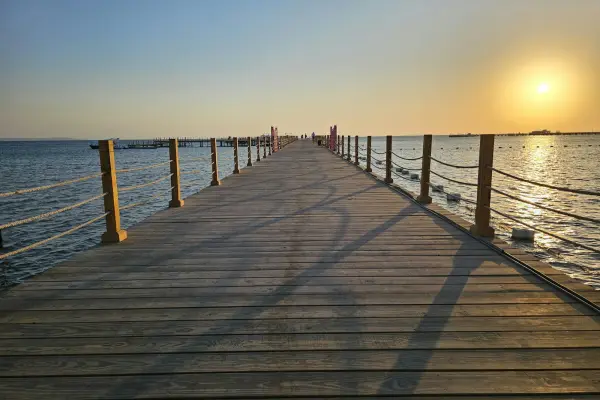
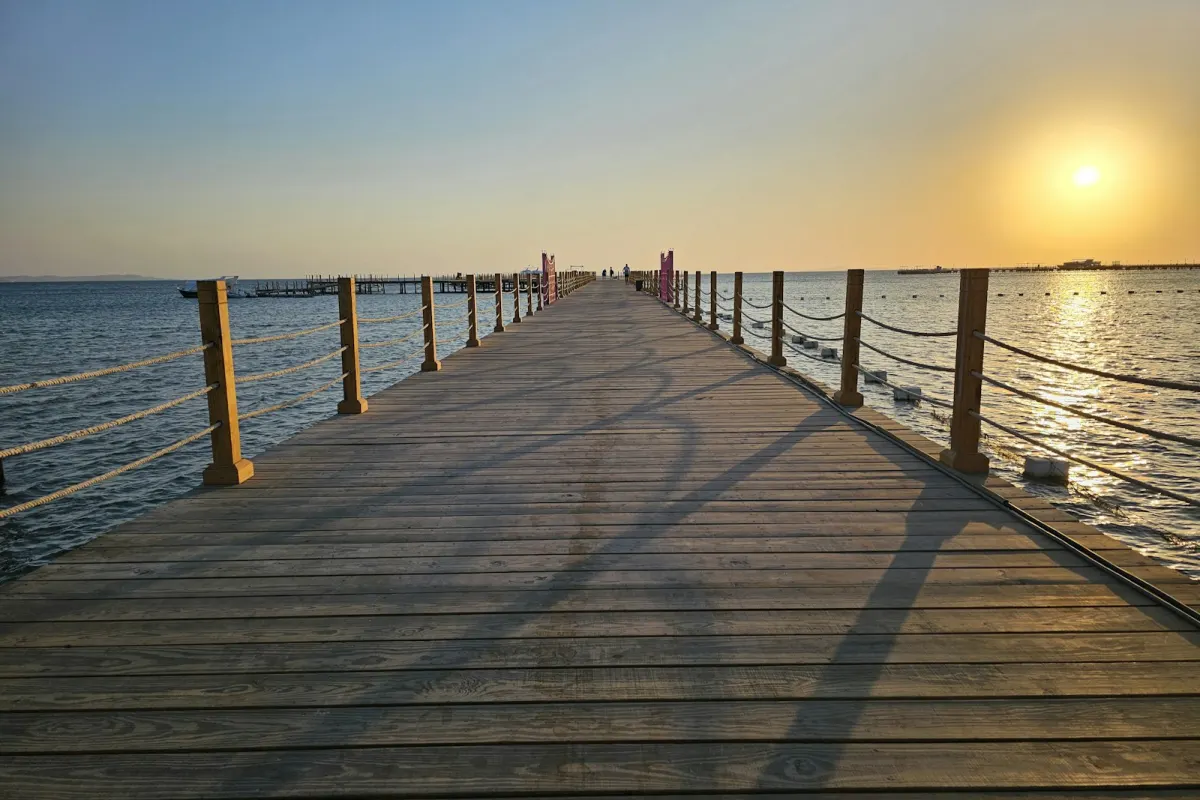
Safaga is reachable by road from Hurghada International Airport, the nearest major airport, in around two hours, making it an easy add-on or alternative to a Hurghada-based stay for divers specifically chasing its wrecks and currents. The town itself is smaller and less built up than Hurghada, with a handful of dedicated dive resorts rather than the sprawling resort strip further north — a genuine plus for divers who'd rather the trip be built entirely around diving than a broader beach holiday.
Practical tips
- Book with a dive centre experienced specifically with Safaga's current conditions and briefed properly before every dive — currents here demand more attention than calmer Red Sea sites.
- If wreck diving the Salem Express interests you, confirm the dive centre's requirements around certification and experience level before booking.
- Dolphin encounters should always be on the dolphins' terms — choose operators that follow responsible, no-touch guidelines.
- Pack for a smaller, quieter town than Hurghada — dining and nightlife options are more limited, which suits some travelers and not others.
For divers who've already done the Red Sea's more famous names and want something with a bit more current, a genuine wreck, and better odds of a dolphin encounter, Safaga is one of the northern coast's better-kept options.
Frequently asked questions
How far is Safaga from Hurghada?
Safaga is around two hours by road south of Hurghada, and Hurghada International Airport is the nearest major airport. Journey times vary with traffic and the transfer type, so confirm the timing with your hotel or dive centre. Many divers use it as an add-on to a Hurghada stay or as a quieter alternative base built around diving.
Is Safaga good for beginner divers?
It can be, with some care. Safaga is known for stronger currents that suit divers with some open-water experience, but sheltered bay sites suitable for beginners and Discover Scuba Diving sessions do exist. Choose your dive centre and site according to your certification level, and make sure you are properly briefed on conditions before every dive.
Can I dive the Salem Express wreck?
The Salem Express is a ferry that sank in 1991, and it is generally recommended only for divers with wreck diving experience or training because of its depth and the nature of the site. Confirm the dive centre's certification and experience requirements before booking. It is also a site that deserves respect given its history.
Can you see dolphins in Safaga?
Dolphin sightings are realistic, and a resident pod is one of the area's signature attractions, but they are never guaranteed. Choose operators that follow responsible, no-touch guidelines, where you snorkel alongside the dolphins rather than chasing them. Stay out of the water if the animals seem to be avoiding the boat.
Why are there strong currents in Safaga?
The bay is sheltered but positioned to catch stronger currents than many other Red Sea sites. Currents keep sediment moving, which helps water clarity, and they increase the chance of seeing larger species such as reef sharks and rays. They also demand more attention, so dive with a centre experienced in local conditions.
Is Safaga better than Hurghada for diving?
Neither is better overall. Safaga is quieter and smaller, with a few dedicated dive resorts, stronger currents and strong wreck and dolphin appeal. Hurghada has far more dive centres, accommodation, dining and nightlife. Safaga suits divers who want the trip built around diving, while Hurghada suits a broader beach holiday with diving included.
Ready to dive the Red Sea yourself?
Book PADI-certified dive trips, courses and snorkelling excursions in Hurghada and Marsa Alam directly with our sister brand, Egypt X Diving.
Explore trips on egyptxdiving.com →