

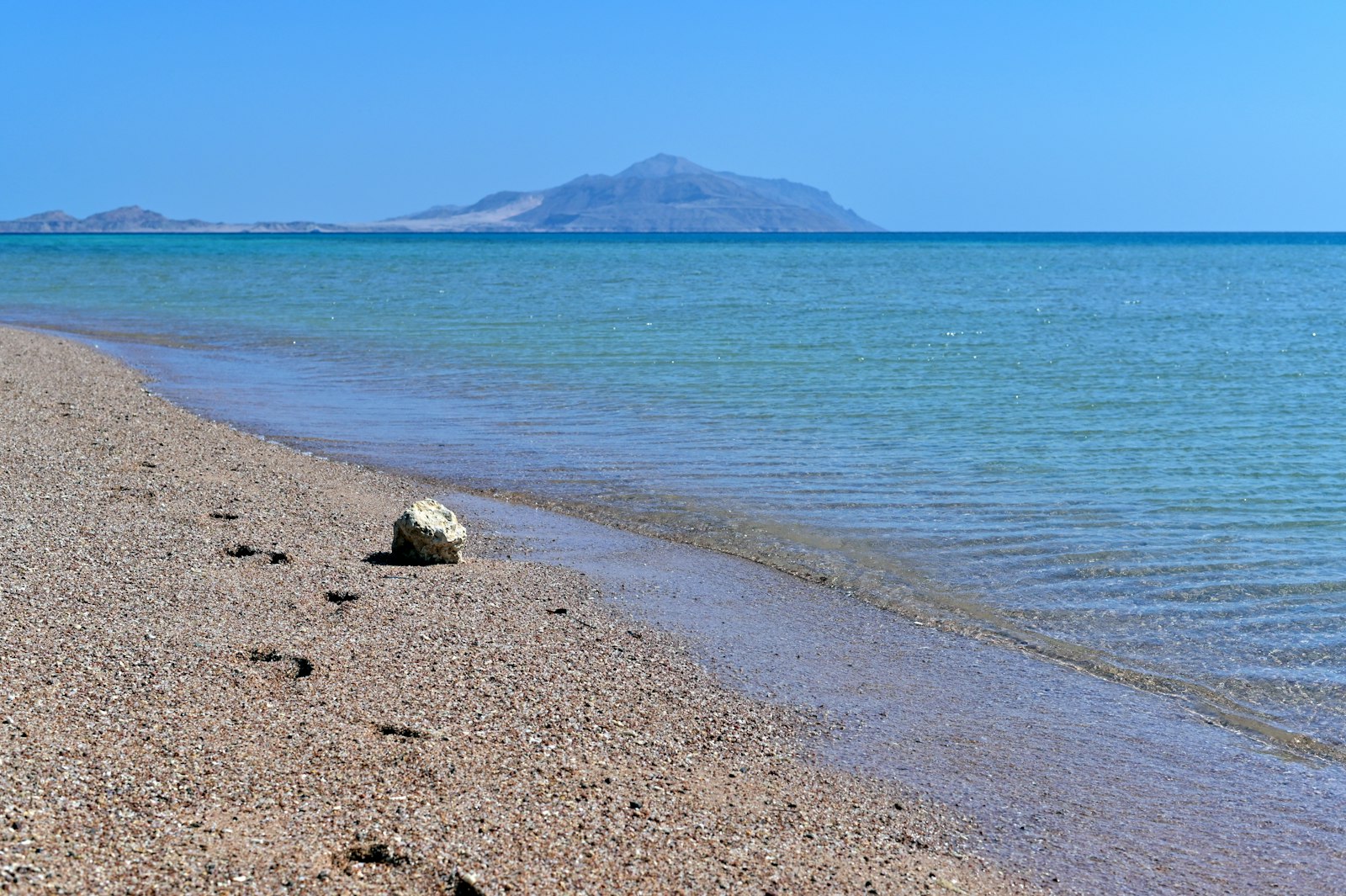
Sharm El Sheikh sits at the southern tip of the Sinai Peninsula, where the Gulf of Aqaba and Gulf of Suez meet — a location that gives it access to some of the most dramatic reef walls and drop-offs on the Red Sea, right alongside a resort infrastructure built almost entirely around tourism.
Where to stay
Naama Bay is the original tourist hub — walkable, lined with restaurants and dive shops, and the most convenient base if you don't want to rely on taxis. Further along the coast, Nabq Bay and Sharks Bay tend to have larger, newer resort complexes with a quieter, more self-contained feel, better suited to travelers who want to stay close to their hotel rather than explore independently.
Ras Mohammed National Park
A short boat or road trip from most hotels, Ras Mohammed is where the Gulf of Aqaba and Gulf of Suez meet, producing exceptionally rich reef walls and strong marine biodiversity. It's one of the most consistently recommended dive and snorkel sites in the entire Red Sea, and a worthwhile day trip even for travelers who don't dive, since some access points allow snorkelling straight off the beach.
Diving and snorkelling
Sharm is one of the most established dive bases in Egypt, with dive centres offering everything from an introductory try-dive to advanced wreck and wall diving. The Straits of Tiran, a short boat ride away, is known for strong currents and large pelagic fish, and is generally recommended for divers with some experience rather than complete beginners.
Beyond the beach
Most visitors treat Sharm primarily as a beach and diving base, but the town also serves as a starting point for trips into the Sinai interior — a sunrise climb of Mount Sinai followed by a visit to St. Catherine's Monastery, one of the oldest working Christian monasteries in the world, is a common overnight or early-morning excursion for travelers who want to see a very different side of the peninsula.
Getting around
Sharm's hotel zones are spread along the coast rather than concentrated in a single walkable centre, so taxis or hotel shuttles are the normal way to move between areas — agree on a taxi price before getting in, since meters aren't standard practice.
Practical tips
- Reef-safe sunscreen is worth bringing — much of the coastline sits directly along protected reef, and some marine parks restrict certain sunscreen chemicals.
- Water temperatures stay diveable nearly year-round, though visibility and comfort are generally best from May through October.
- Book snorkelling and diving trips through a licensed operator with visible safety standards rather than the cheapest option on the beach.
- Evenings can be cooler than the daytime heat suggests, especially by the water — a light layer is worth packing even in summer.
Whether the goal is a week doing nothing but swim and dive, or a single big day trip into the Sinai interior, Sharm's combination of reef access and built-out tourist infrastructure makes it one of the most straightforward Red Sea destinations to plan around.
Ready to dive the Red Sea yourself?
Book PADI-certified dive trips, courses and snorkelling excursions in Hurghada and Marsa Alam directly with our sister brand, Egypt X Diving.
Explore trips on egyptxdiving.com →